
Home / Products / Ceramic / Industrial laundry
Ceramic MF/UF · industrial & commercial laundry
Laundry wastewater: lint, oil and heat, handled in one step.
Shop towels, mats, uniforms and healthcare linen send lint, fibers, oil emulsions, detergents and microplastics down the drain, often warm. Polymer membranes rag, foul and need the water cooled. Ceramic microfiltration takes the whole mix after a coarse screen and lets you reuse hot water instead of reheating fresh.
Send us a sample or your sewer bill. We will tell you if ceramic pays here.
What plants tell us
The problems that bring industrial laundry plants to ceramic.
“The sewer authority keeps raising our surcharges.”
Heavily soiled loads such as shop towels and industrial uniforms can send COD of 1,200–20,000 mg/L to the drain, along with mineral oils and metals. FOG, TSS and COD surcharges follow every pound.
“Lint plugs everything downstream.”
Natural fibers dominate real laundry water and cause the worst membrane fouling. Hollow-fiber bundles trap them. Rigid ceramic sheets and channels can be backwashed clear.
“Oil and detergent foul our membranes for good.”
Submerged polymer UF is typically limited to 100–300 mg/L oil and grease in the feed. Laundry emulsions go past that, and flux never fully returns after cleaning.
“We heat fresh water, then pour hot water down the drain.”
Polymer UF modules are commonly rated to 104 °F (40 °C) and RO elements to 113 °F (45 °C). Ceramic can filter laundry water warm, and filtering it hot also reduced fouling in published tests, so water, surfactant and heat can all be recovered.
“We’re being asked about microfibers.”
In one published pilot, ceramic microfiltration removed over 97% of microplastic fibers from laundry wastewater over eight weeks.
“We want to reuse water, not just discharge it.”
Published ceramic laundry systems recycle about 50–70% of the water without RO, limited by dissolved salts, and up to about 90% with RO added.
Why ceramic fits
Built for this stream.
- One barrier for lint, fibers, free and emulsified oil, and microplastics after a 0.08 in (2 mm) screen.
- Hydrophilic silicon carbide sheds oil and has shown lower irreversible fouling than alumina on laundry and oily water.
- Real backwash plus chemical cleaning. Strong caustic and acid cleaners do not wear out the ceramic.
- Water can stay warm through the filter, so you reheat less make-up water. 300 °F (about 150 °C) is not a problem for most ceramic and stainless steel builds.
- Permeate can go straight back to early wash steps, or on to RO when dissolved salts must come down.
Typical stream conditions
What we size against.
| Parameter | Typical in this industry | What it means for the membrane |
|---|---|---|
| Lint and fibers | Tens of thousands of fibers per liter, mostly cotton and other natural fibers | Coarse screen ahead (about 0.08 in / 2 mm), then backwashable ceramic |
| COD | 400–1,200 mg/L for hotel linen; 1,200–20,000 mg/L for heavily soiled items | MF/UF removes the particulate and emulsified part; dissolved COD partly passes |
| Oil & grease | Free and emulsified, highest on shop towels, mats and industrial uniforms | Above most polymer UF feed limits; SiC is the oil-tolerant choice |
| pH | Alkaline from detergent and builders | Inside the SiC material range of pH 0–14 |
| Temperature | Warm to hot, set by your wash formula | Flat sheet to 113 °F (45 °C); hotter streams go to tubular |
Ranges widely documented in industry literature. Your stream sets the design.
Projects like these
Where ceramic is already running on industrial laundry streams.
Typical case types from ceramic membrane installations worldwide. Names, sites and sizes are withheld, and no single result carries over to your stream.
Commercial and industrial laundries
Solids, fibers, oil emulsion and microplastics removed with ceramic alone, after a coarse screen at the headworks.
100 nm ceramic on laundry duty
The same 100 nm pore class as the Zyramic SiC flat sheet, used for wash-water reuse.
Heat-recovery layouts
Hot permeate returned without RO, so the heat stays in the loop. RO is added only when salts build up.
Sample-first projects
Laundry water varies by customer mix, so projects start with a sample test or pilot.
SiC or alumina
Which ceramic for this job.
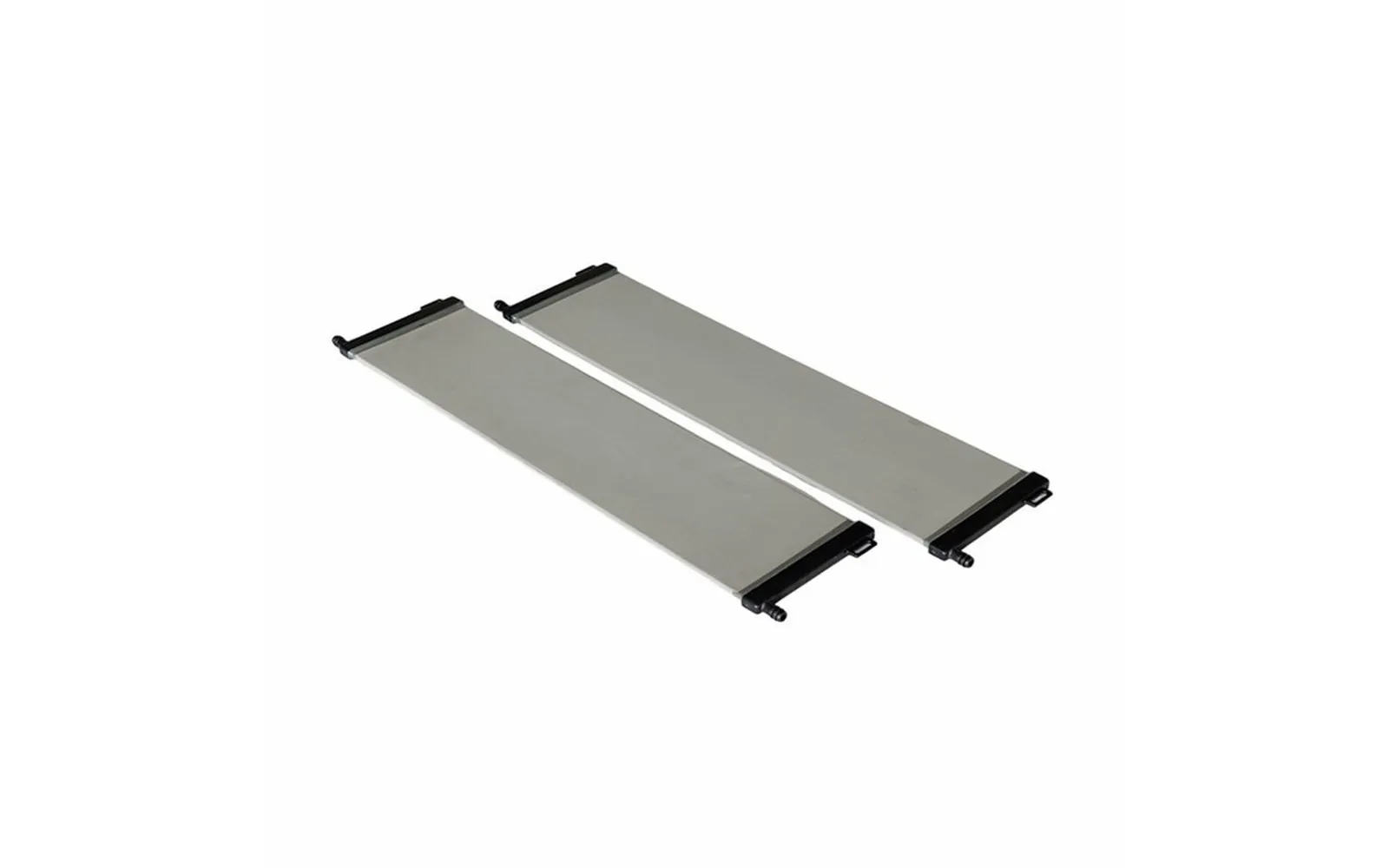
Usually SiC flat sheet in an open tank if the water is at or below 113 °F (45 °C). The standard SiC flat-sheet module housing is rated 41–113 °F (5–45 °C). The sheets are 100 nm, and spacing can be opened to 1.42 in (36 mm) for high solids. Tubular SiC or alumina for hotter water or a pressurized skid.
Ceramic flux depends on the application. As a general range, expect about 6–29 GFD (10–50 LMH) for non-pressurized (submerged) systems, and up to 100 GFD (170 LMH) for pressurized systems.
Warranty against defects in materials and workmanship. For industrial applications, membrane life depends on the service duty, so we run a pilot test to establish expected system life.
Honest selection
Laundry water is dirty, so plan for frequent chemical cleaning. Ultrafiltration will not remove dissolved salts or all dissolved COD. If your water is cool and low in oil, polymer UF or an MBR step may cost less. See textile and laundry wastewater.
What to send
Feed first.
- Pounds per day and the mix (towels, mats, uniforms, linen, healthcare)
- Wash-water flow, average and peak, and temperature (°F)
- Recent sewer sample or surcharge bill: COD, FOG, TSS, pH
- Current screening and treatment
- Reuse target: back to wash, or RO-grade
Lab or pilot testing on a sample is available before you commit.
Built and backed in the USA.
Ceramic elements come from certified sources, and the quotation documents their origin. Zyramic supplies the modules, and frames and skids are assembled in our Poughkeepsie, NY shop.
We presently have a manufacturing facility in Poughkeepsie, New York, and the ability to ship from Europe and Asia.
On a federally funded job? Tell us your domestic-content requirements, including Build America, Buy America (BABA), and we'll review what we can document.
Zyramic, Inc.
14 Tucker Dr, Suite 4
Poughkeepsie, NY 12603
845-402-6318 · tom@zyramic.com
Related: Textile and laundry wastewater (MBR) · Hot oily emulsions · All harsh industrial streams · Ceramic modules