Oily and chemical
Produced and frac water. Refinery oily streams. Brine and chlor-alkali. Catalyst and nanoparticle recovery. Cutting fluid. Acid and caustic slurries. SiC first when oil or pH would kill polymer or foul alumina.
Ceramic · What we have · 2026
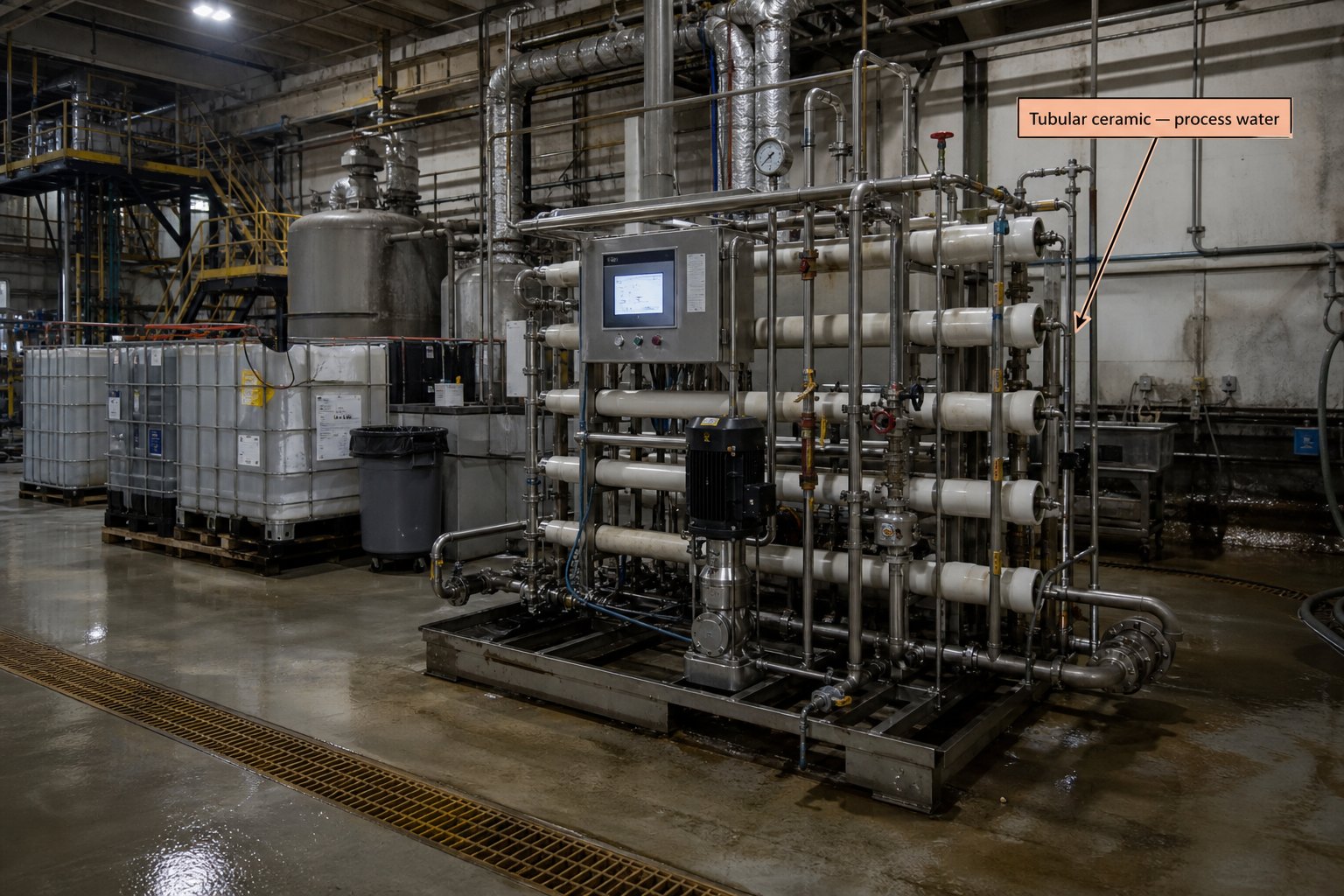
That is why people pick ceramic over a polymer sheet. It backwashes. It takes oils and aggressive chemicals. Silicon carbide or alumina, flat sheet or tube. Silicon carbide is the high-flux class: compact, and almost indestructible. Alumina is the workhorse. Zyramic supplies ceramic modules. Elements are sourced.
Two material classes
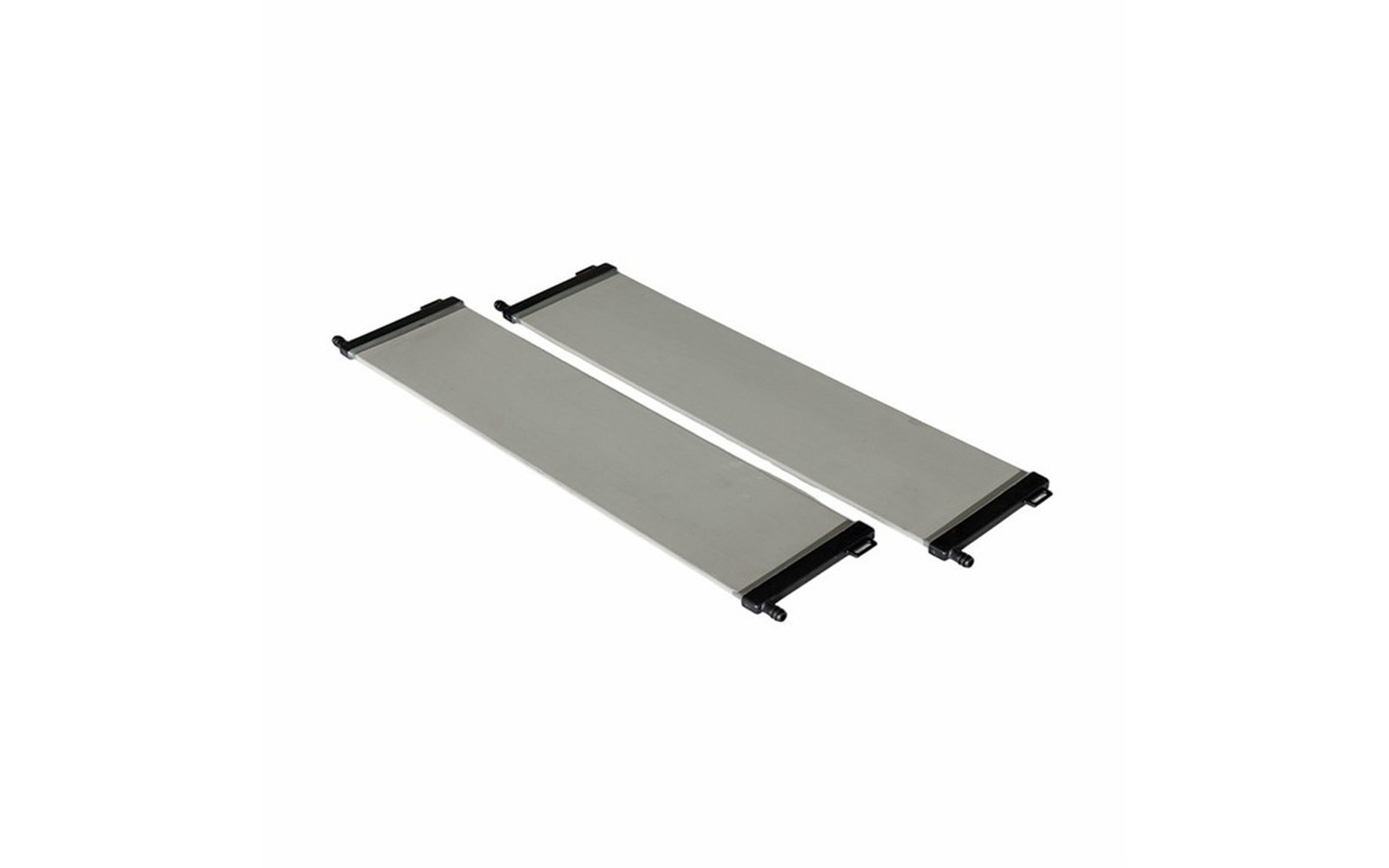
Ceramic is the catalog for wastewater reuse and industrial wastewater filtration when you want very long life, municipal plants included. Ultrafiltration and microfiltration. Backwashable. CIP-class chemistry. Chemical-tolerant. SiC or alumina, flat sheet or tube. Both materials come in both geometries. The PES flagship is the Zyramic Palisade flat sheet membrane with targeted scouring (patent pending).
High flux
Very high flux, so the module stays compact. Almost indestructible. Hydrophilic recrystallized SiC. You can backwash it and clean it hard. Oil-tolerant. Solvent- and oxidant-stable. pH 0–14 class. Flux is typically about 2–4× alumina at a similar pore. That is a material-class comparison, not a Zyramic SKU guarantee.
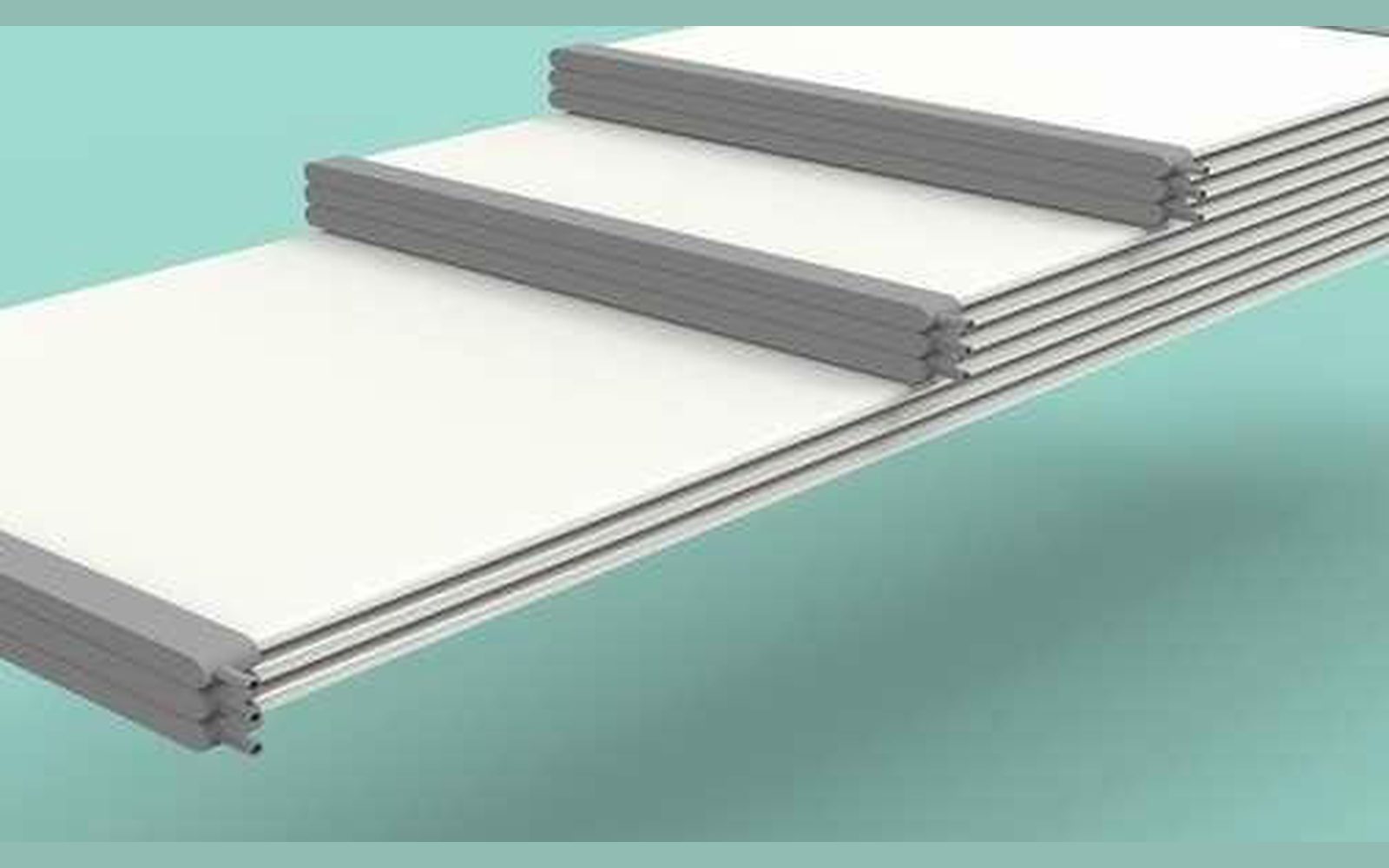
Flat sheet or tube. Use it on oily produced water, harsh chemical slurries, brine and chlor-alkali, cutting fluids, nano-powder wash, mine water, and new-energy electrode streams.
Customers looking for very long life pick ceramic, even municipally. Long-term value.
Workhorse
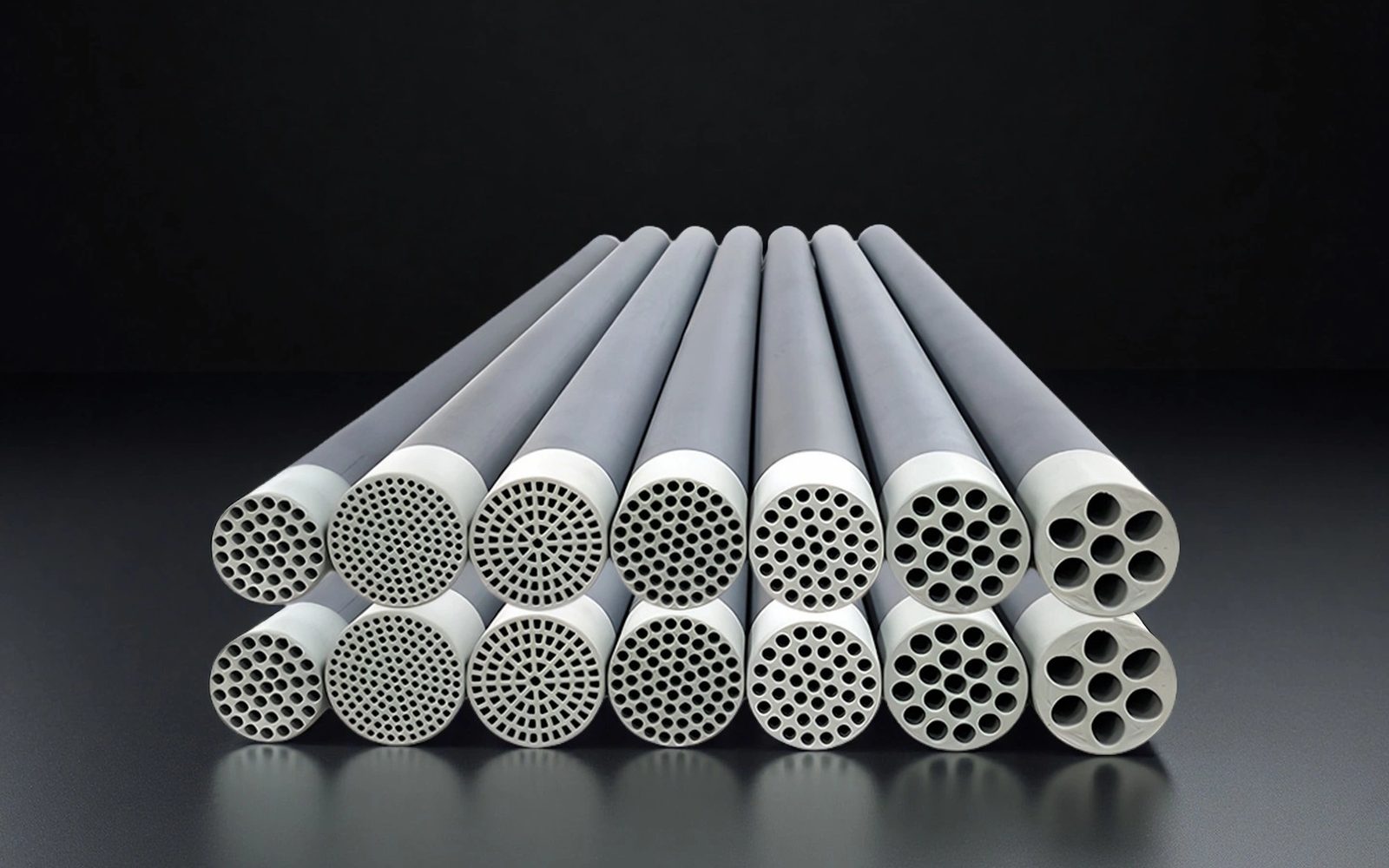
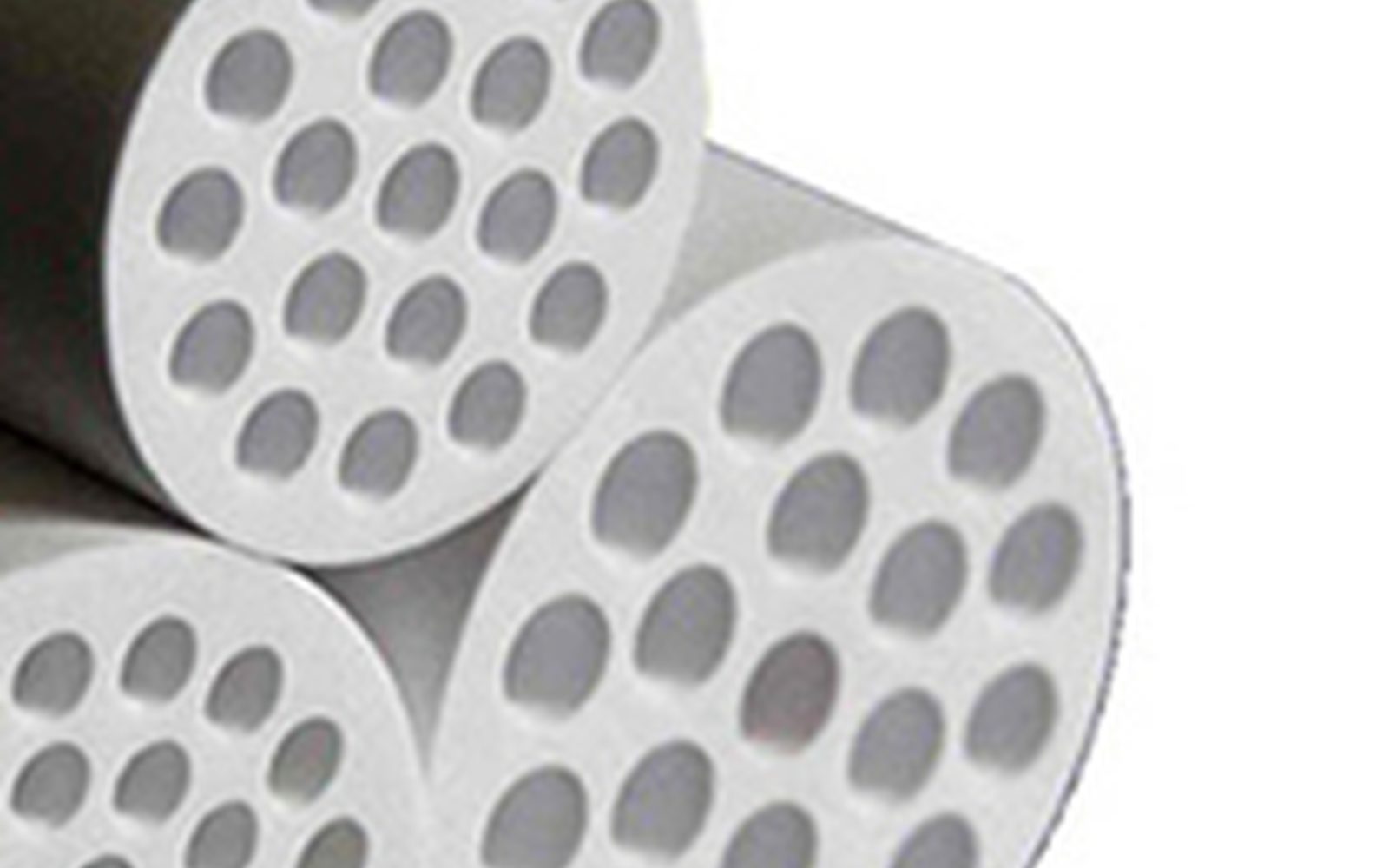
The workhorse oxide ceramic. Lower cost than SiC. It backwashes. It takes aggressive chemicals. Wider pore range: tight ultrafiltration and near-nanofiltration, down to the nanometer class on some elements. Cross-flow. High temperature. More fouling on oily streams than SiC.
Use it on municipal reuse, food and beverage, and fine chemical separations: juice and wine clarification, beer yeast recovery, corn-syrup and sweetener clarification, pectin and stevia extracts, catalyst recovery, silica sol, graphene and other nanoparticle washes. Sintered alumina, flat sheet or tube.
Where it runs
Described as classes. Flux, recovery, and cut-off are set on the stream. Ask for a quotation.
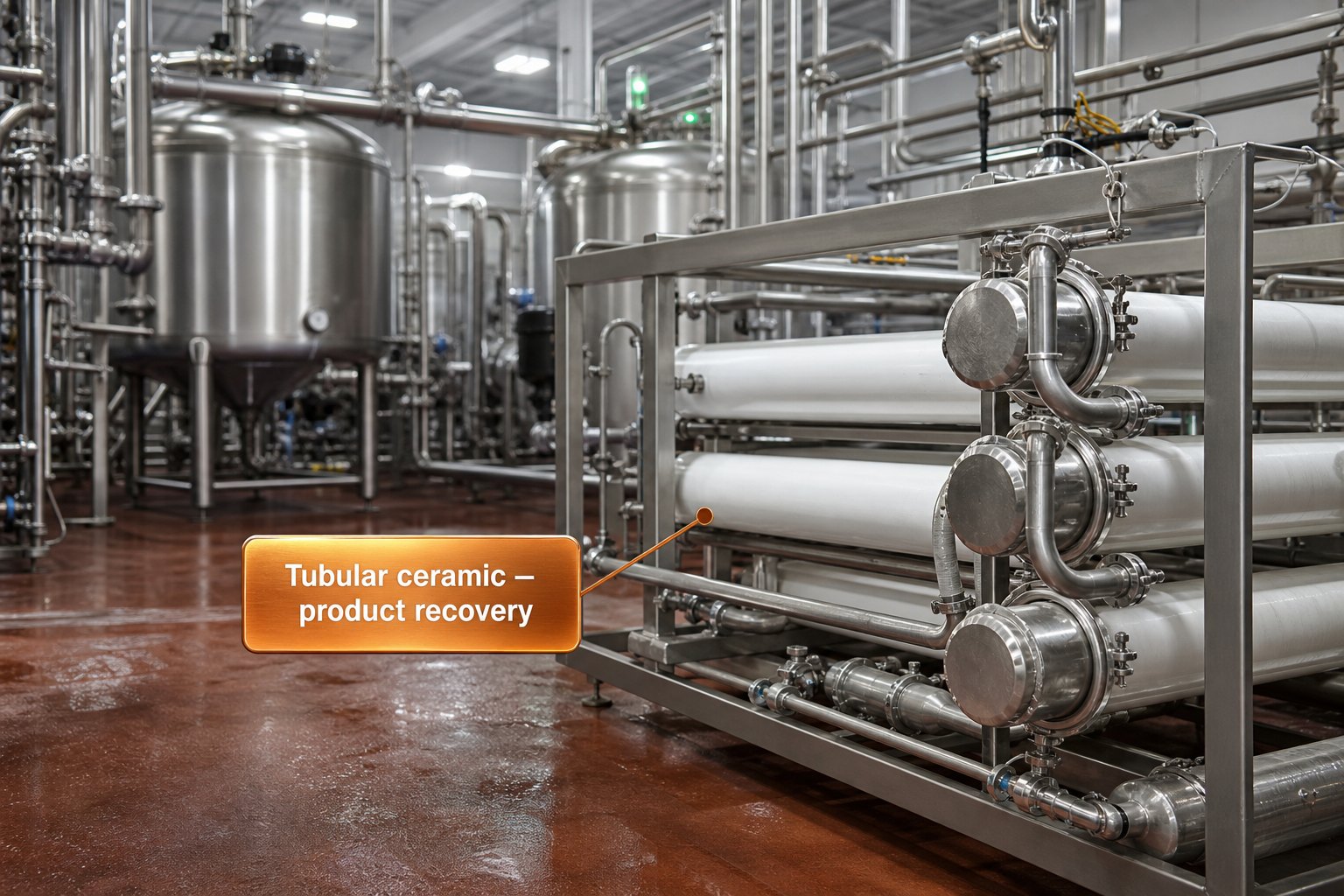
Produced and frac water. Refinery oily streams. Brine and chlor-alkali. Catalyst and nanoparticle recovery. Cutting fluid. Acid and caustic slurries. SiC first when oil or pH would kill polymer or foul alumina.
Municipal reuse. NF and RO pretreatment. Mine water. Thermal-plant process water. Semiconductor and photovoltaic rinse. Alumina when the cut is tight and the feed is not oily.
Juice, wine, and beer clarification. Yeast recovery. Corn syrup and other sweeteners. Pectin and stevia extracts. Proteins and fermentation broths. Ceramic cross-flow in place of diatomite. Flavor stays; the filter aid leaves.
Also sourced: zeolite pervaporation elements for solvent dehydration (ethanol and similar). Ask if the stream is a solvent.
What Zyramic sells
Certified sources of silicon carbide and alumina. An R&D program to manufacture ceramic here in the future. American-built skids that meet AIS and BABA, integrating the highest-quality ceramic membranes.
Silicon carbide and alumina — flat sheet, multi-channel tubular, and column geometries. Quoted against the stream. Certified sources.
That is a main reason people choose ceramic. Backwash it. Clean it with aggressive chemicals. Application engineering on the stream is part of the quote.
Certified ceramic sources. Origin on the module quotation. R&D underway to manufacture ceramic in the future. We build skids in America that meet AIS and BABA, integrating the highest-quality ceramic membranes.
Cleaning
SiC + alumina. Flat sheet for industrial wastewater: very high flux, backwashable. Tubular: affordable, compact, very high flux pressurized UF. Elements sourced; Zyramic supplies the modules. People pick ceramic for hard feeds and a backwash path.
Ceramic cut sheet · How to choose
Backwash is reverse flow through the element. Silicon carbide or alumina, flat sheet or tube — both materials, both geometries. The stream sets the recipe: pressure, interval, and chemicals. Zyramic issues that recipe on the quotation. This page does not invent a psi or a cycle.
Certified sources. An R&D program to manufacture ceramic here in the future. American-built skids can meet AIS and BABA.
Download the backwash note · Class datasheets on Downloads.
Poughkeepsie, New York
Send the stream, temperature, pH, oil, and the cut-off you need. We will say SiC, alumina, or “this is still a PES job.”
Zyramic, Inc.Class datasheets for flat-sheet and tubular ceramic modules are on Downloads. Both silicon carbide and alumina come in both geometries. A project-specific quotation is issued against the stream.
Questions people ask
Silicon carbide and alumina, each as flat sheet and tubular. Four classes. Elements are sourced. Zyramic supplies ceramic modules. Origin stays on the quotation.
Ceramic can be backwashed and can take more aggressive chemicals and oils. Silicon carbide in particular has a very high flux rate, so it is compact and almost indestructible. Alumina is the long-term workhorse, including municipal plants.
Ceramic origin stays on the quotation. Zyramic has an R&D program to manufacture ceramic in the future. American-built skids can meet AIS and BABA, integrating the highest-quality ceramic membranes.
Ceramic modules cover ultrafiltration and microfiltration. Silicon carbide is high-flux MF and coarse UF. Alumina covers a wider pore range, including tight ultrafiltration and near-nanofiltration on some elements. Reverse osmosis is not a Zyramic product. Origin stays on the quotation.
Yes. Backwash is a main reason people choose ceramic. You can also clean it with aggressive chemicals (CIP-class chemistry). The recipe is issued on the quotation. This page does not invent a psi or a cycle.